Wool comforters are prized for their natural warmth, breathability, and moisture-wicking properties, making them suitable for a range of seasons. This category highlights the durability and insulating capabilities of wool, which helps regulate temperature without excessive weight. By choosing this material, users often experience fewer temperature fluctuations during sleep and enjoy a cozy, evenly distributed loft.
Key attributes to consider include wool type (merino, long-staple or virgin wool), fill weight, and cover material. Merino wool tends to be finer and softer, while heavy fill weights offer added warmth in cooler climates. Proper care, including gentle washing and air drying, helps maintain loft, resilience, and hypoallergenic benefits over time.
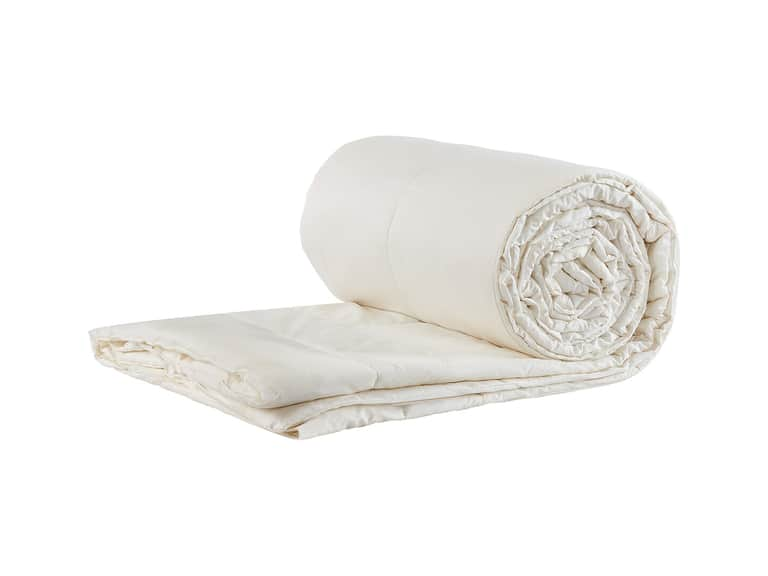
Within the Sleep and Beyond line, the myComforter variants illustrate how wool blends can balance warmth with breathability. Functional benefits include temperature regulation, moisture management, and reduced night sweats. Understanding fill-to-cover ratios and stitching patterns can inform decisions about loft stability and long-term comfort.
Wool comforters are compatible with a range of bedding setups, including organic mattresses and latex foundations, as well as adjustable beds where precise height and alignment contribute to a restful sleep experience. Considering layered bedding (duvet covers, blankets, and pillows) helps optimize warmth without overheating, especially in transitional seasons.
For users prioritizing natural materials, wool solutions align with sustainable bedding practices and hypoallergenic considerations. When evaluating products like Sleep and Beyond myComforter, attention to certifications, care labels, and wool origin can enhance confidence in performance, durability, and long-term usability across different sleeping environments.
 Bedding